

A family camping trip, an uneven patch of ground, and a simple question: Why isn’t there a safer place to chop firewood at a campsite?
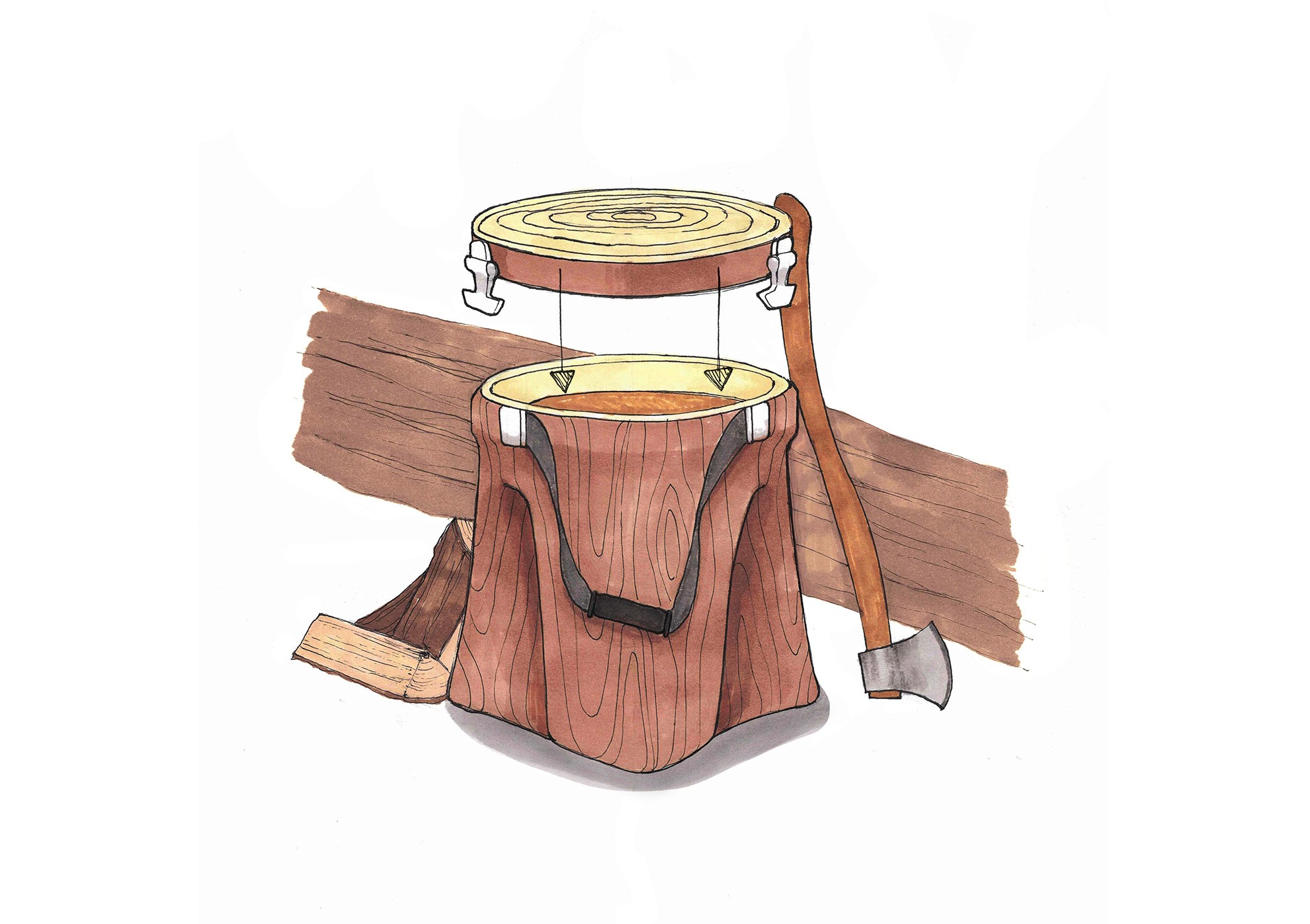
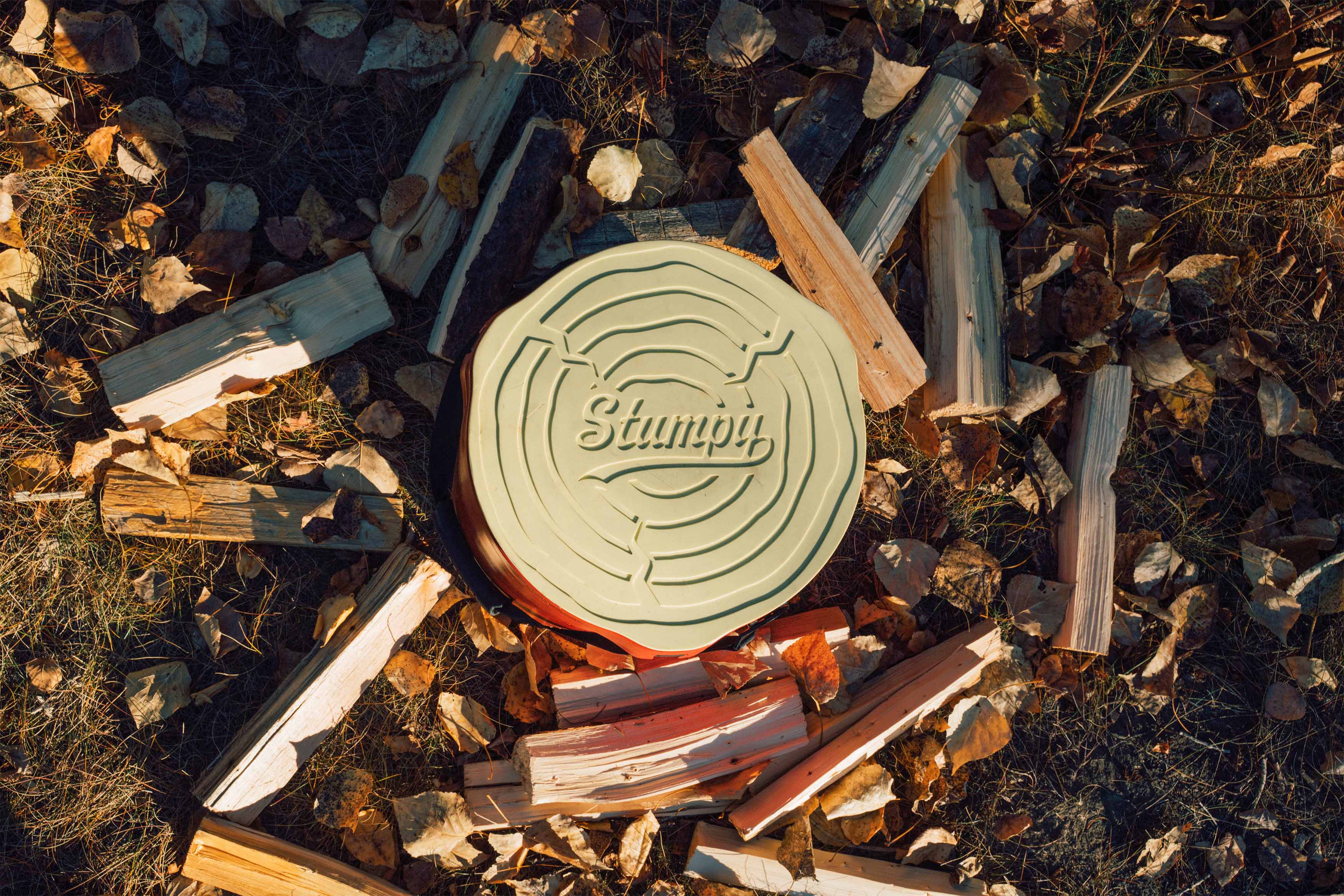
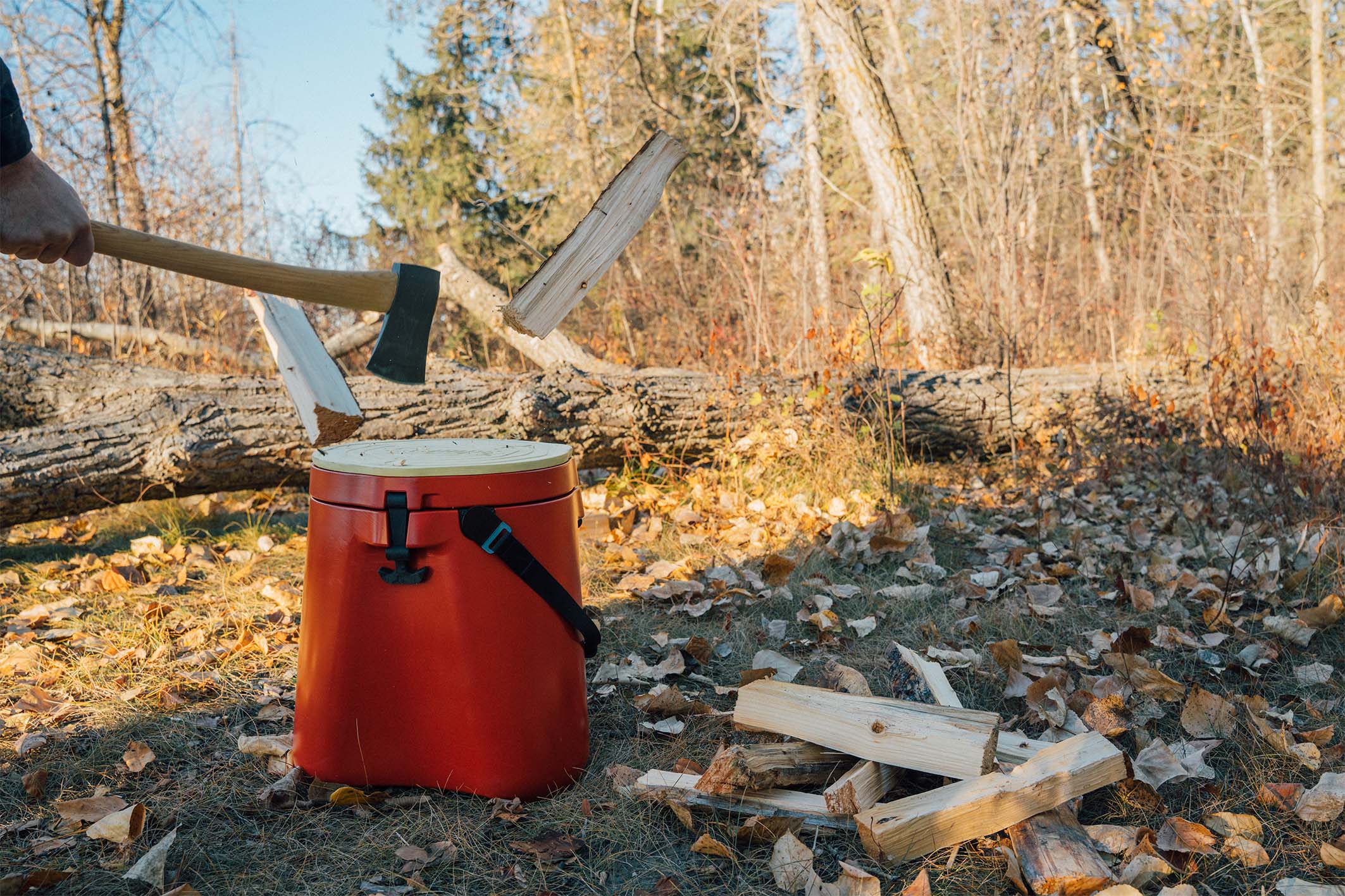
That moment sparked the idea for Stumpy, a compact synthetic chopping block designed to do much more than split wood. It can also function as a cooler, storage container, and seat, making it a practical multipurpose product for camping, cabins, backyards, and outdoor adventures.
For Stumpy Co. founder Korey Haun, the idea was exciting. Turning it into a commercially viable product, however, required expertise in product design, engineering, prototyping, manufacturing, and branding.
An Outdoor Product Inspired by a Real Problem
The idea for Stumpy began during a family camping trip in Canmore, Alberta.
After setting up camp, Korey and his family needed to chop firewood but could not find a safe, level surface. Tree roots made the ground uneven, and using a picnic table was not a practical or particularly responsible alternative.
“We realized it would be nice to have something you could chop wood on that was a safe, flat surface,” Korey explains. “Then we thought it couldn’t just be a synthetic chopping block. It had to be more fun than that.”
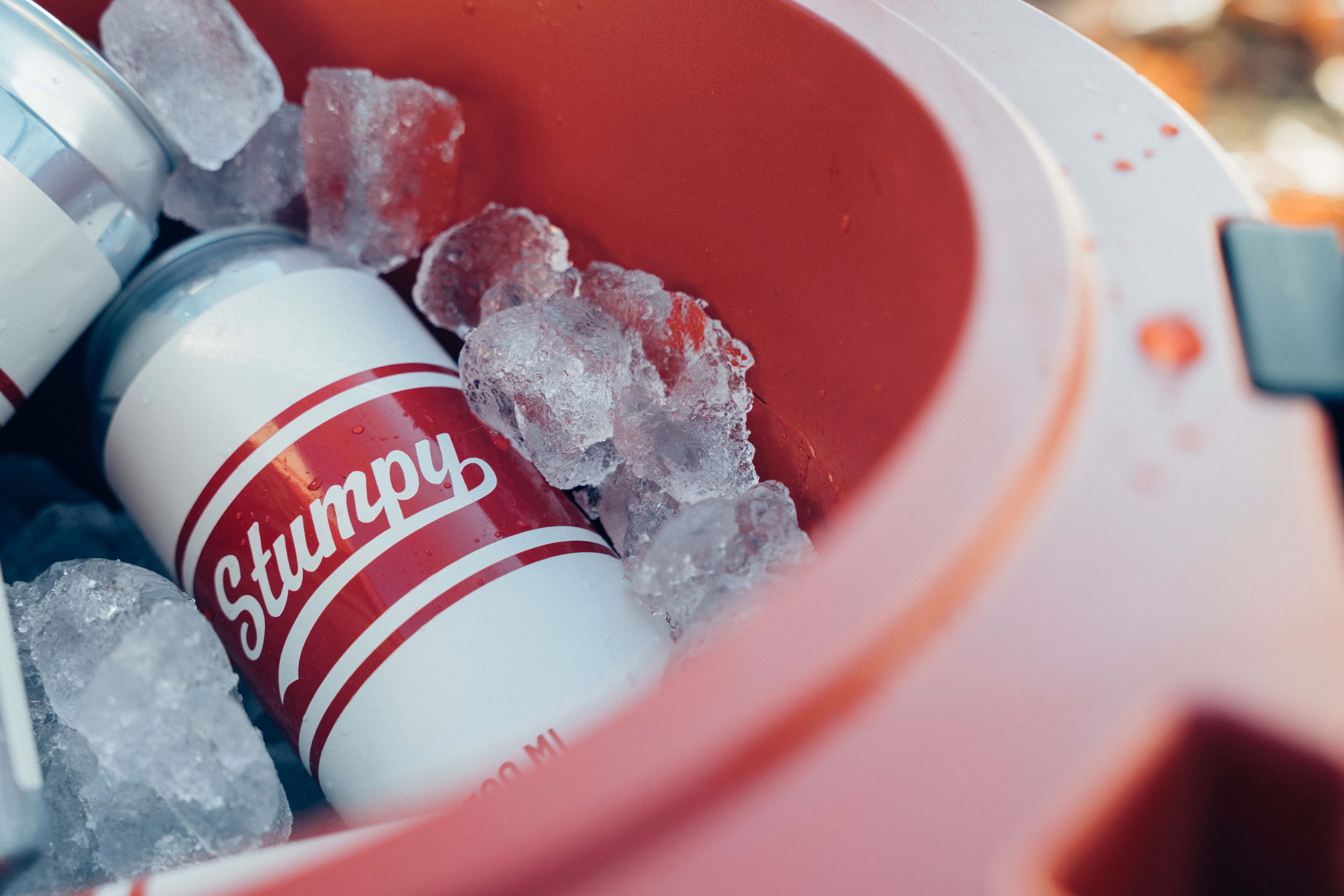
The family began imagining a multipurpose camping product that could serve as a chopping block while also providing storage, holding drinks like a cooler, and functioning as a seat around the campsite.
Korey created initial sketches and built a rough 3D model in his garage. A patent search confirmed that nothing quite like it existed, giving the family confidence that the concept had potential.
But moving from a homemade model to a manufacturable product was unfamiliar territory.
Finding the Right Product Development Partner
Korey came from a background in sales and management rather than industrial design, product engineering, or manufacturing.
“I realized really quickly that I needed somebody who could help me take that concept and turn it into reality,” he says.
Before finding Onetwosix, Korey spoke with other local firms and explored several possible manufacturing methods. At one point, he was told the product would require a moulding process involving a multimillion-dollar tooling investment.
That recommendation nearly stopped the project altogether.
“I thought the product was probably going to die on the vine before Onetwosix,” Korey says.
After being introduced to Onetwosix through word of mouth in Edmonton, Korey met with the team to discuss the idea. The initial conversation immediately felt different.
Rather than focusing on a single manufacturing solution, the team looked at the complete product development journey, from industrial design services and engineering to manufacturing strategy, prototyping, branding, and commercialization.
“I got a sense very quickly that it wasn’t just product development,” Korey says. “There were multiple facets where they could help me, including figuring out how we were actually going to build the product.”
Designing With Manufacturing in Mind
One of the most important parts of developing Stumpy was identifying a manufacturing process that could achieve the right balance of durability, appearance, weight, performance, and cost.
The product needed to withstand repeated impacts from chopping wood while remaining light and compact enough to transport to a campsite. It also needed to function as a cooler, seat, and storage container without becoming too large or expensive to manufacture.
Onetwosix brought manufacturing partners and engineers into the product design process early. This allowed the team to evaluate production constraints before Korey invested too heavily in a design that could not be manufactured economically.
For Korey, this introduced an entirely new way of thinking.
“We were able to have engineers, manufacturing people, and designers at the table,” he explains. “It became a conversation about how we could design this product for manufacturing, which was a completely new concept to me.”
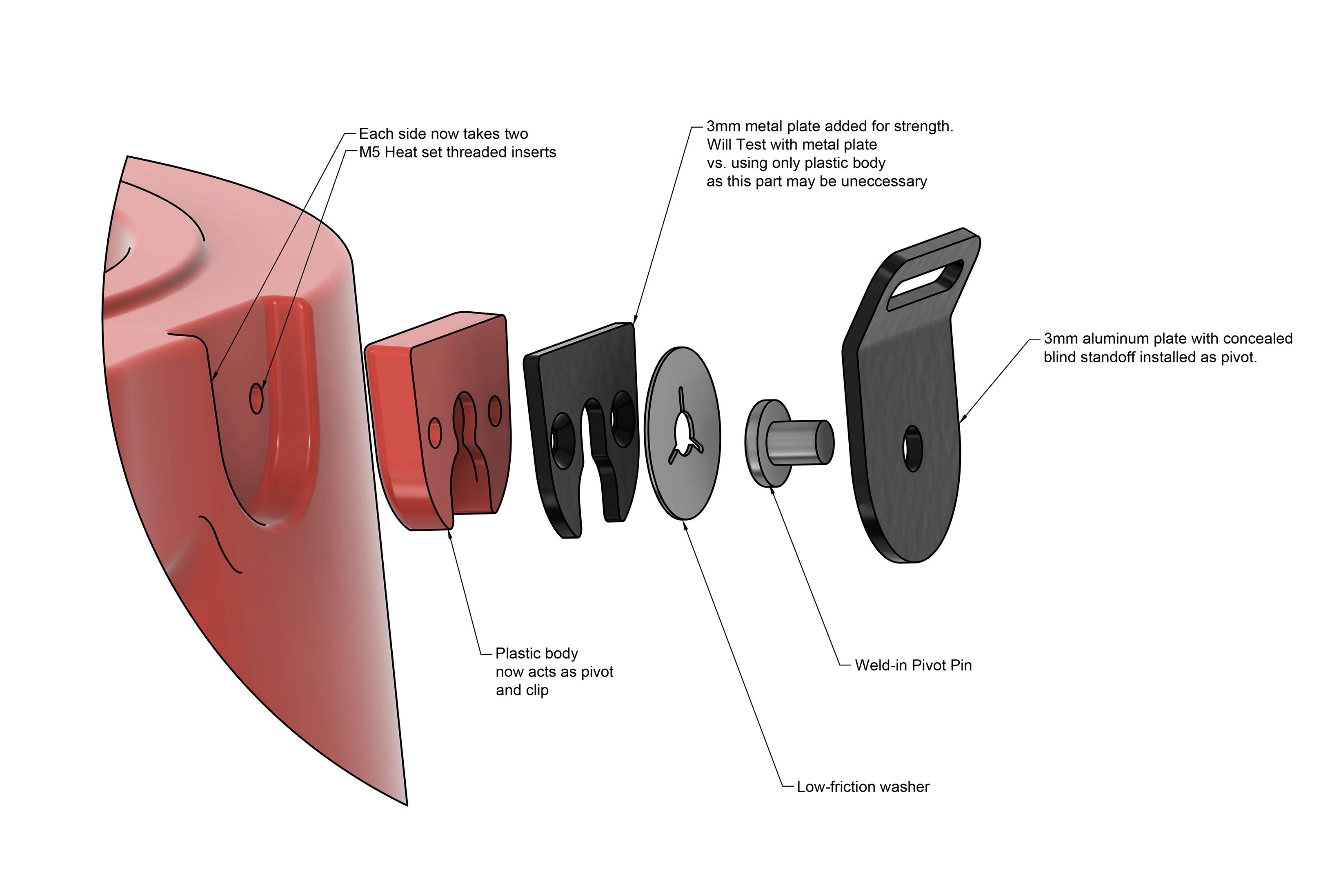
Potential manufacturing challenges were identified during collaborative design meetings. Details such as surface finishes, product geometry, structural performance, material behavior, and impact bounce-back all influenced the design.
Instead of discovering those problems after expensive tooling or production had begun, the team addressed them throughout the industrial design and engineering process.
Refining the Product Through Prototyping
Stumpy went through multiple design iterations as the concept moved toward a functional prototype.
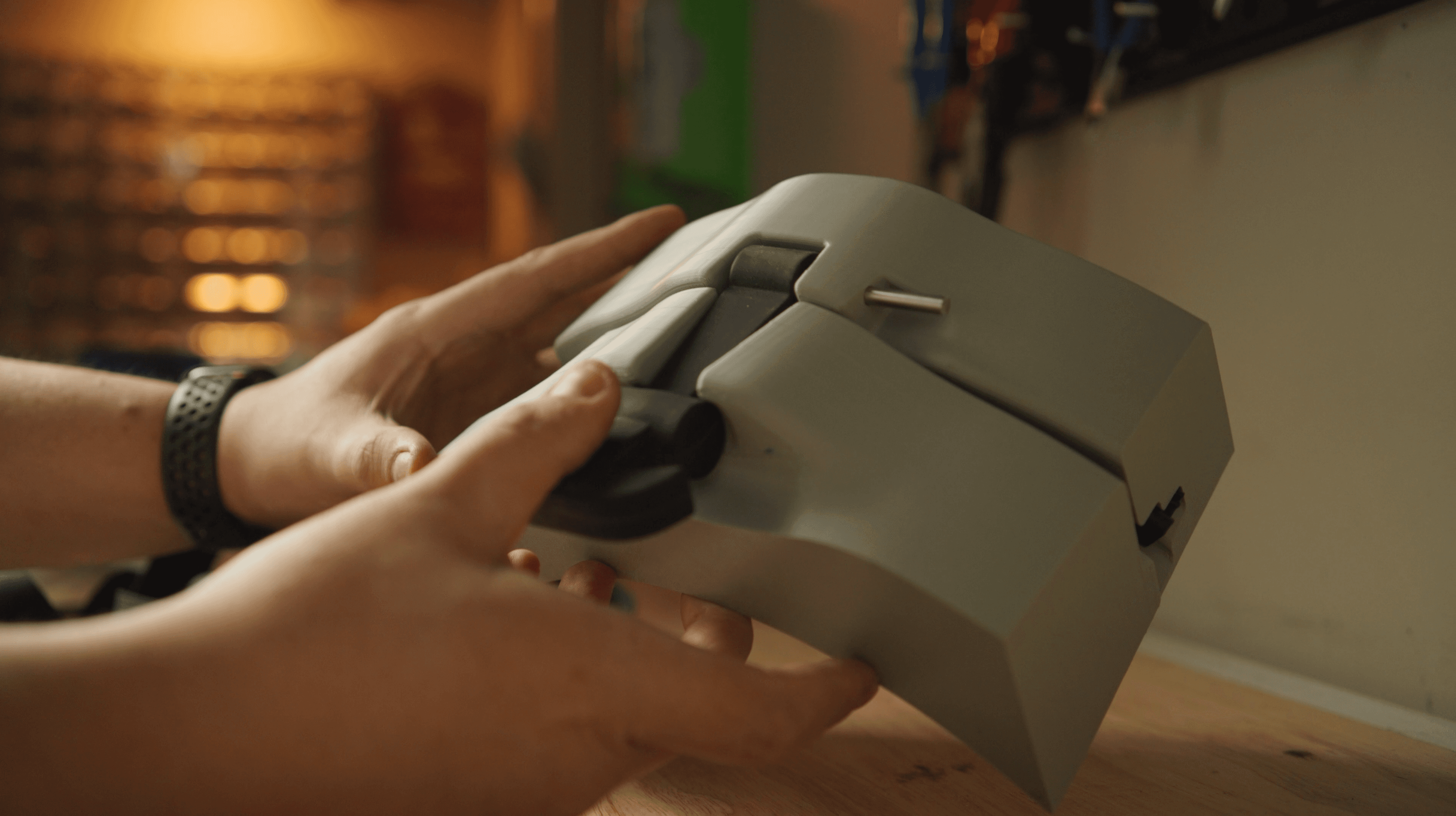
The first full prototype was an important milestone. For the first time, Korey could see and touch a physical version of the idea his family had imagined years earlier.
“When it arrived at the Onetwosix office, it was like looking at the product we had envisioned at the campsite in Canmore,” he says. “That was the day it felt like this could actually happen.”
The prototype also revealed opportunities for improvement.
It was heavier and larger than expected, which could have made it difficult to transport and less appealing as a commercial outdoor product. The Onetwosix team returned to the engineering drawings and began refining the size, weight, construction, and proportions.
“Brendan, Matt, and the team did a really good job of re-engineering the product and refining it to get it where we thought it would be best suited for the customer,” Korey says.
This process is a critical part of professional product design. Prototypes are not simply presentation models. They are tools for identifying problems, evaluating ergonomics, validating manufacturing decisions, and improving a product before commercialization.
While the latest design remains close to Korey’s original vision, it has evolved into something more refined, manufacturable, and appropriate for the end user.
Collaboration That Strengthened the Final Design
For Korey, one of the highlights of working with Onetwosix was the collaborative environment.
During meetings, designers, engineers, strategists, and manufacturing specialists contributed different perspectives. Team members would enter the conversation with new suggestions, potential solutions, or considerations that had not yet been explored.
“I loved the collaboration,” Korey says. “People would come into the room and say, ‘I thought of this,’ or, ‘What about this?’ A lot of those ideas have been incorporated into the final product.”
That range of perspectives helped uncover challenges early while creating opportunities to make Stumpy more useful, durable, and marketable.
The team also helped translate complex engineering and manufacturing discussions into clear, understandable decisions. Whenever technical conversations became difficult to follow, Korey could rely on the Onetwosix team to explain what had been decided, why it mattered, and how it would affect the product.
“They never spoke over me,” he says. “They would explain what we were trying to accomplish and what everything meant. It gave me somebody knowledgeable on my side.”
Building the Stumpy Brand
Developing a successful product involves more than engineering the physical object. It also requires a clear brand, a compelling story, and a strategy for connecting with customers.
Korey and his family had already created the Stumpy name, but they needed help shaping the visual identity and preparing the brand for launch.
Onetwosix worked with Korey to develop the overall look and feel of Stumpy, including its brand direction, marketing materials, website, and future social media presence.
“Joy was instrumental in helping me put together the brand, the look and feel, the marketing materials, the website, and preparing for social media,” Korey says.
By developing the product and brand together, the team could create a more consistent experience. The playful, practical personality of Stumpy could influence everything from its visual identity to how the product would eventually be presented to outdoor enthusiasts.
From an Idea That “Would Never Fly” to a Commercial Product
Stumpy is now approaching its final prototype stage. Once complete, the product will move into real-world testing before preparations begin for commercialization.
Korey has secured patents in Canada and the United States and hopes to introduce Stumpy to Canadian customers before expanding into the American market.
The long-term vision extends beyond a single product. Korey sees an opportunity to build a fun outdoor lifestyle brand around people who enjoy camping, cabins, backyards, and spending time outside.
Most importantly, the idea that once appeared impossible is becoming real.
“I came into this thinking it probably wasn’t going to happen because I had been told that previously,” Korey says. “Onetwosix got behind the project, connected me with companies they trust, and helped move it forward.”
A Product Design Partner With Your Back
When asked what advice he would give himself at the beginning of the process, Korey’s answer is simple: find the right product development partner sooner.
“I wish I would have found Onetwosix earlier,” he says. “That would have alleviated a lot of headaches.”
For entrepreneurs and companies developing a new physical product, having coordinated support across industrial design, engineering, prototyping, design for manufacturing, branding, and marketing can prevent costly mistakes and create a clearer path toward commercialization.
Korey describes Onetwosix as a one-stop product development partner, one that could support the areas where he had limited experience while keeping him involved in each decision.
“They genuinely want to help you succeed,” he says. “I love knowing that I have a partner who has my back.”
Would Korey Recommend Onetwosix?
“Absolutely. I would 100% recommend working with Onetwosix,” Korey says.
“The support I’ve received in so many different areas has been remarkable. This project would not have taken on the life it has without finding Onetwosix.”
For anyone with an early product idea, an existing concept that needs refinement, or a manufacturing challenge that feels impossible, Korey believes the right team can make all the difference.
“Whether you need help with marketing, engineering, manufacturing opportunities, or turning an idea into something real, Onetwosix is a fantastic partner.”
Have a Product Idea of Your Own?
Whether your idea begins as a sketch, a garage prototype, or a problem that no existing product solves, Onetwosix can help you determine what comes next.
Our industrial design services bring product design, engineering, prototyping, design for manufacturing, small-batch production, branding, and marketing together under one roof.