
Think your prototype means you're almost ready for production? We talk about the real timeline and investment required to transition from prototype to manufacture-ready design.
Everyone's asking when your prototype will be ready for market.
We've fielded those questions while knowing there's still a mountain of work hidden beneath that deceptively simple question.
Product development isn't like following a linear assembly line. It's cyclical and iterative, which makes our work both challenging and rewarding—but can drive you crazy when investors are breathing down your neck. If you're sitting there with a functioning prototype thinking you're almost at the finish line, you're often closer to the middle of the journey than the end.
Why Your Prototype Isn't Production Ready
Your prototype proves your concept works, which is huge—seriously, celebrate that milestone. But it's essentially a proof of concept built with whatever methods got you to "functional" fastest. The gap between "it works" and "we can manufacture this efficiently at scale" is where most of the real magic happens.
The Manufacturing Reality Check
Material selection often needs a complete overhaul. What worked perfectly for your one-off might be too expensive at volume or completely incompatible with your intended manufacturing process. We've seen brilliant prototypes built with materials that would have made the final product cost three times the target price.
Manufacturing tolerances become critical when you're making thousands instead of one. That perfect fit you achieved by hand-sanding becomes a nightmare when you need consistent assembly across a production run. Assembly complexity that seemed manageable for a prototype can multiply your labor costs exponentially.
Then there's the regulatory landscape—depending on your product category, you might need certifications and testing that fundamentally influence design decisions. These often require design modifications that completely change your approach.
Timeline Reality: How Long Each Phase Actually Takes
Understanding what you'll need to accomplish during this transition helps set realistic expectations. Each phase requires specific activities that simply take time to do properly, regardless of how urgently you need to reach market. The key is understanding where time gets consumed and what factors can extend or compress your timeline.
Phase 1: Foundation and Strategy
You'll need to thoroughly analyze your existing prototype and establish a clear development strategy. This means diving deep into your competitive landscape to understand where your product fits and what opportunities exist. You'll identify all constraints you're working within—budget limitations, timeline pressures, technical requirements, regulatory considerations, and manufacturing capabilities. Creating a crystal-clear design brief requires separating absolute must-haves from nice-to-haves, which sounds simple but often reveals conflicting priorities that need resolution.
Most startup founders spend XX weeks on this foundational work, often longer if requirements aren't clearly defined or if stakeholders haven't aligned on priorities. The complexity of your market, the clarity of your existing documentation, and the number of decision-makers involved all impact this timeline. Skipping or rushing this phase almost always extends later phases significantly.
Our Understanding phase accomplishes this same work in XX weeks through our systematic approach and experience identifying critical constraints quickly. We've developed processes that help clarify requirements efficiently while avoiding the endless revision cycles that often plague this phase.
Phase 2: Concept Development
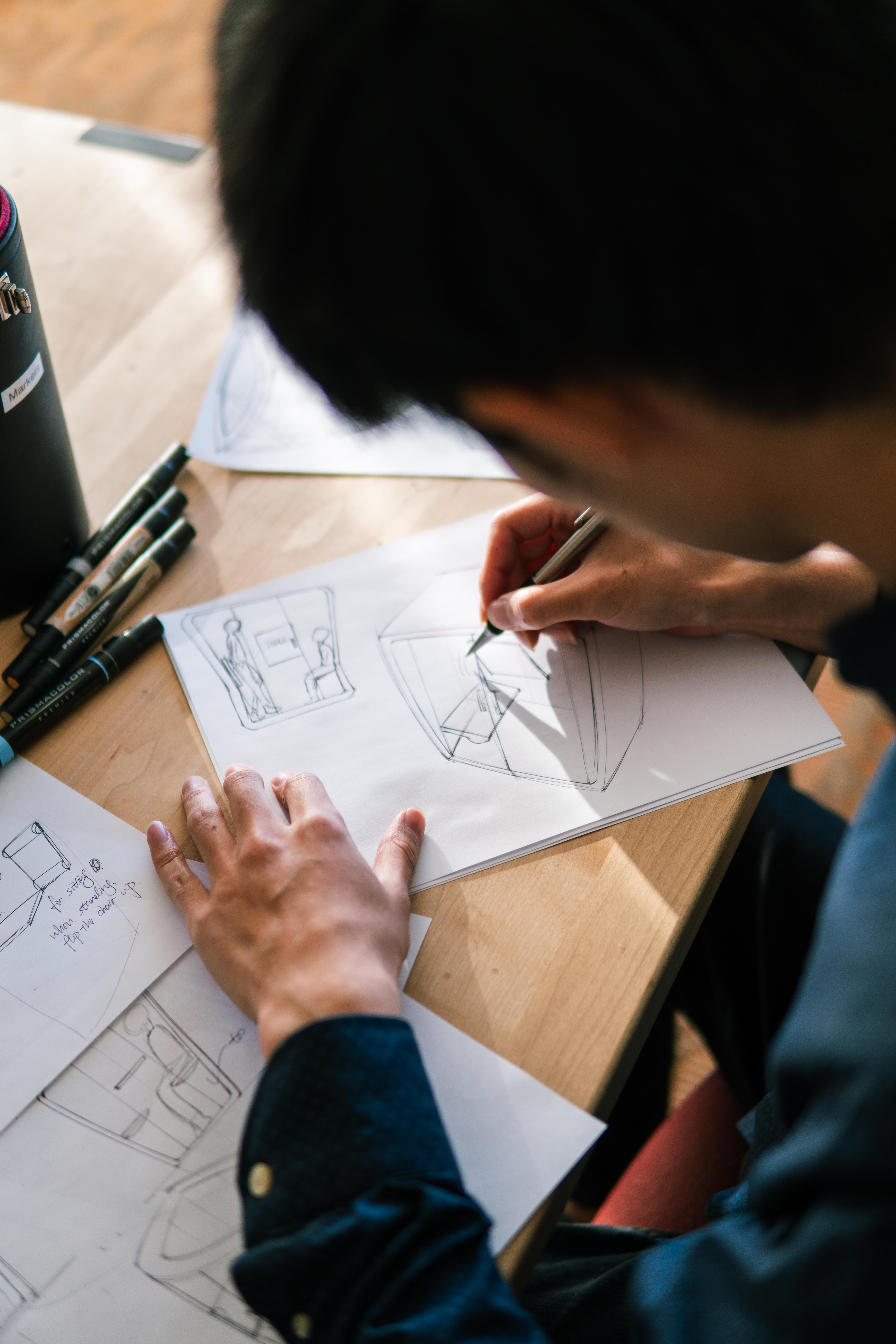
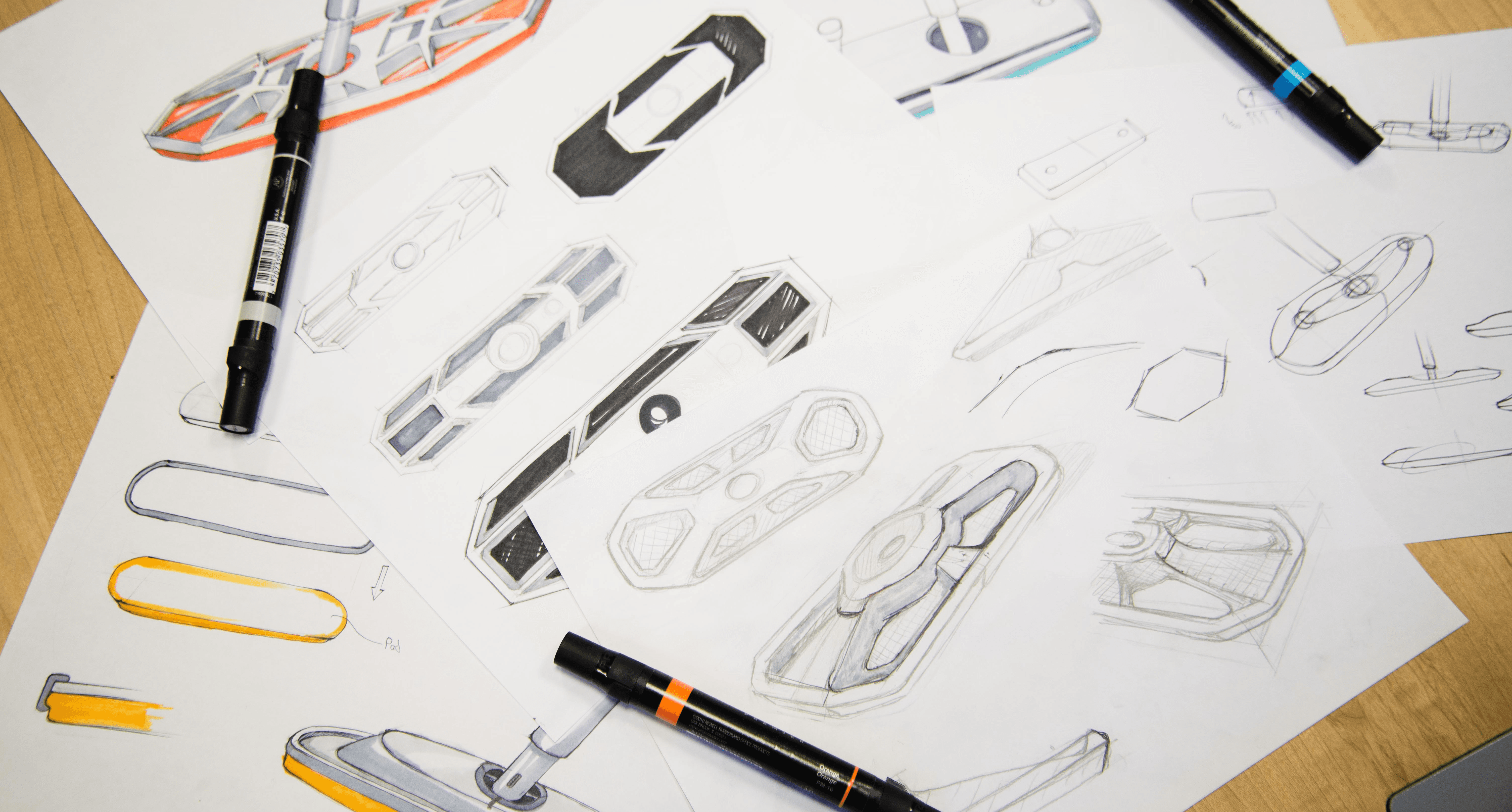
You'll need to develop multiple design concepts that translate your prototype's functionality into manufacturable alternatives. This involves creating several distinct design directions, each explored enough to understand their implications. You'll conduct user research to validate assumptions about how people interact with your product. Engineering analysis helps identify potential technical challenges early. Preliminary manufacturing feasibility studies reveal which concepts are realistic given your budget and timeline constraints.
Startup founders typically require XX weeks for this concept development phase, with additional time needed if user feedback reveals fundamental issues with your approach or if technical analysis uncovers significant engineering challenges. The complexity of your product's functionality, the diversity of your user base, and the novelty of your technology all influence this timeline.
Our Forming phase accomplishes this in XX weeks through rapid concept development and early manufacturing assessment. Our experience across diverse product categories helps us quickly identify promising directions while avoiding common pitfalls that extend concept development unnecessarily.
Phase 3: Engineering and Refinement
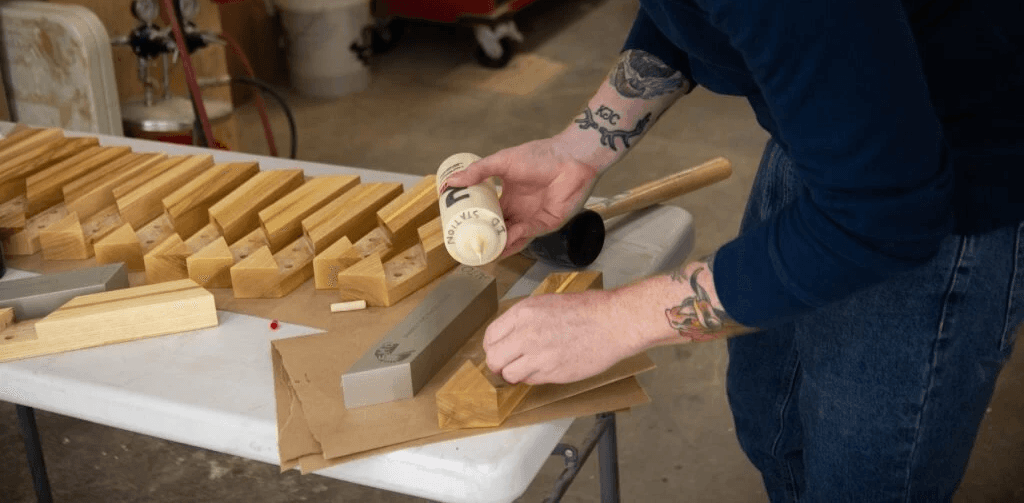
The most intensive phase involves transforming your chosen concept into a fully engineered, production-ready design. You'll create multiple physical prototypes to test form, fit, and function under realistic conditions. Design optimization for your specific manufacturing processes requires understanding material behavior, tooling requirements, and assembly constraints. Comprehensive technical documentation includes detailed drawings, specifications, and assembly instructions that manufacturers can follow without guesswork. Thorough testing validates both product performance and manufacturing repeatability.
This typically takes startup founders XX weeks, often longer for complex products requiring extensive testing or regulatory approval. Products with moving parts, electronic integration, or novel materials generally require more iteration cycles. Regulatory requirements can add significant time—medical devices, electronics requiring FCC certification, or products needing safety testing each have their own timeline implications.
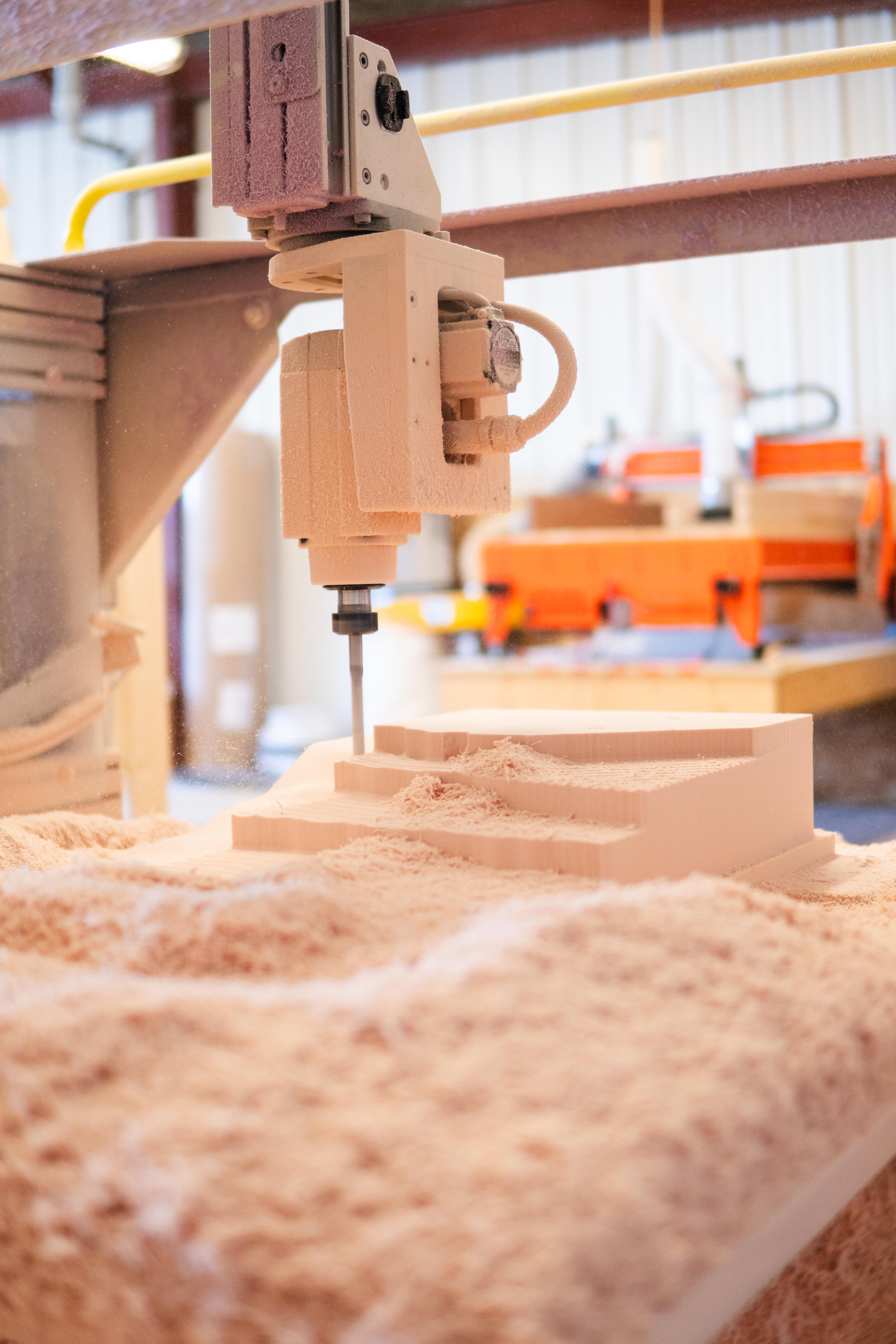
Our Refining phase streamlines this to XX weeks by leveraging in-house prototyping capabilities that accelerate iteration cycles. Rather than waiting weeks for external prototyping, we can often produce and test new iterations within days, allowing rapid problem-solving and optimization.
Phase 4: Production Transition
Finally, you'll manage the transition to actual manufacturing, including sourcing and qualifying manufacturing partners who understand your quality requirements and cost constraints. You'll implement quality control processes that ensure consistency across production runs. Managing initial production runs involves troubleshooting unexpected issues that only surface at volume. Logistics coordination includes packaging design, shipping optimization, and inventory management setup.
Most startups spend XX weeks on this production transition, with timeline heavily dependent on manufacturing complexity, volume requirements, and geographic considerations. International manufacturing adds lead time and complexity. Custom tooling requirements can extend timelines significantly, while products using standard processes typically transition faster.
Our Producing phase typically requires XX weeks due to our established manufacturing relationships and production experience. Having manufactured our own products, we understand the common challenges and can help navigate them efficiently.
Investment Breakdown: Where Your Money Goes
Understanding where costs accumulate helps you budget appropriately and make strategic decisions about resource allocation. More importantly, understanding what each investment actually accomplishes helps you see the value rather than just the expense.
Discovery Phase Investment
You're primarily investing in research and strategic thinking that prevents expensive mistakes later. This includes comprehensive market research to understand competitive positioning and opportunities, technical feasibility studies that identify potential engineering challenges before you're committed to a design direction, constraint analysis that reveals budget, timeline, and regulatory requirements, and design brief development that aligns all stakeholders on priorities and expectations.
Budget approximately $XX to $XX for this phase, with costs varying based on market complexity, the number of technical unknowns, and how well-defined your requirements are initially. This investment typically prevents 3-5 times its cost in avoided redesigns and false starts.
Concept Development Costs
This phase involves intensive design work and initial physical exploration that transforms your prototype into manufacturable alternatives. Investment covers multiple design direction development, with each concept explored sufficiently to understand its implications. User research and testing validate assumptions about how people interact with your product. Preliminary prototyping using 3D printing and rapid manufacturing techniques creates physical models for evaluation. Manufacturing feasibility analysis for each concept direction identifies which approaches are realistic given your constraints.
Expect $XX to $XX for concept development, preliminary prototyping, iterative refinement, and user research. Higher costs typically result from products requiring extensive user research, complex mechanical systems, or novel technology integration. This investment ensures you select the optimal design direction before committing to detailed development.
Engineering and Refinement Investment
This represents your largest investment, involving extensive prototyping and detailed engineering that transforms concepts into production-ready designs. Major cost drivers include multiple prototype iterations using various manufacturing techniques to test different aspects of performance and manufacturability. Advanced prototyping that mirrors production processes provides realistic testing of your design. Detailed CAD development creates the precise models manufacturers need for tooling and production. Comprehensive technical documentation includes drawings, specifications, and assembly instructions. Various forms of testing validate performance, durability, user experience, and regulatory compliance.
Budget $XX to $XX for this phase, with significant variation based on product complexity, testing requirements, regulatory needs, and the number of iteration cycles required to achieve manufacturing readiness. Products with moving parts, electronic integration, or stringent performance requirements typically require higher investment. This phase investment directly determines your product's manufacturability and market success.
Production Preparation Costs
Plan for $XX to $XX for production preparation, covering manufacturing partner identification and qualification, initial tooling contributions and setup costs, quality control system implementation, logistics planning and coordination, and small-batch manufacturing for final validation. Actual manufacturing costs vary enormously based on volume, complexity, materials, and geographic considerations. International manufacturing often reduces per-unit costs but increases coordination complexity and lead times.
Hidden Costs That Surprise Startups
Several categories of expenses frequently catch startups off-guard because they're not obvious during initial planning. Regulatory testing and certification can add $XX to $XX depending on your product category and target markets. Electronics requiring FCC certification, medical devices needing FDA approval, or products requiring safety testing each have specific cost implications. Packaging development typically requires $XX to $XX but dramatically impacts user experience, shipping costs, and retail presentation. Assembly optimization might add $XX to $XX upfront but often saves multiples of that investment in ongoing production costs by reducing labor time and error rates. Quality control system development ensures consistent production but requires upfront investment in processes and documentation.
The critical relationship: Comprehensive design development prevents expensive manufacturing revisions that can cost XX times the original design investment. Every dollar spent on thorough development typically saves 3-10 dollars in production problems, delays, and market failures.
How Manufacturing-Informed Design Accelerates Your Timeline
Traditional product development treats design and manufacturing as separate sequential steps—first you design it, then you figure out how to make it. This handoff approach frequently leads to expensive discoveries that force major redesigns.
Our manufacturing-informed methodology means our designers always have production realities in mind from the very first design decisions. Our experience developing and manufacturing our own Loop product line gives us firsthand understanding of how every design decision ripples through to production reality.
Concrete Timeline and Cost Benefits
Manufacturing feasibility assessment happens during concept development rather than after months of detailed design work, preventing expensive "back to the drawing board" moments. Our rapid prototyping capabilities allow testing of manufacturing approaches during design development, catching potential issues while they're still inexpensive to address.
This approach dramatically reduces iteration cycles. Traditional approaches often involve multiple rounds of design, prototype, manufacturing assessment, redesign, and re-prototype. Our process significantly reduces these cycles by keeping production considerations top-of-mind during initial design development.
Managing Development Uncertainty
Product development's inherent unpredictability can be managed strategically through rapid iteration. Rather than trying to predict every challenge upfront, successful development identifies and addresses the largest unknowns as quickly as possible.
Rapid prototyping plays a crucial role here. Physical prototypes reveal issues that can't be discovered through CAD models alone—how the product feels in users' hands, whether mechanical systems work reliably, and if tolerances are achievable with your intended manufacturing methods.
The concept of "failing fast" becomes valuable. Rather than spending months perfecting a potentially problematic design direction, rapid iteration helps identify issues quickly so you can pivot to better solutions while changes are still inexpensive.
What Now? Planning Your Investment and Timeline
The journey from prototype to production represents a significant investment in your product's commercial viability. Thorough design development, comprehensive prototyping, and careful manufacturing preparation help ensure you arrive at market with a product that can compete successfully and scale profitably.
Several factors help evaluate your readiness: assess the gap between your current prototype and production requirements, ensure your timeline and budget align with realistic development expectations, and identify where external expertise will provide the most value.
[Link opportunity: Connect to portfolio examples showing successful product iterations]
Every successful product has navigated this exact journey. The difference between products that succeed and those that struggle often comes down to how well this transition is managed. Understanding these timeline and cost realities empowers you to make informed decisions that set your product up for long-term success.
As fellow product developers, we're genuinely excited about the possibility of helping you navigate this journey. The transformation from prototype to production-ready product is where the real magic happens.