
Having design expertise in-house isn’t always realistic. Let’s talk about leveraging an external design expert to enhance your internal technical team - the benefits and the challenges.
We've all felt that moment of frustration - when brilliant engineering meets lukewarm market response.
Your technical team has solved complex problems and created something that works flawlessly... but technology alone doesn’t drive market success.
Design expertise is important (in some industries more than others), but integrating external design expertise into your development team can be a challenge.
The Integration Challenge
This gap between technical functionality and user-centered design isn't just about aesthetics. In today's competitive landscape, it's often the deciding factor between market leadership and a “what can we learn from this” post-mortem. But bringing external design expertise into your established technical ecosystem comes with its own set of challenges:
Your engineers speak in requirements and specifications, while designers talk about user journeys and emotional responses
Your team has finely-tuned workflows that don't naturally align with design thinking methodologies
Territory concerns emerge—who has final say when opinions differ?
Decision-making becomes foggy when new voices enter the room
Knowledge transfer can feel like a one-way street that slows progress
I've seen the real cost of poor integration play out too many times: stunningly beautiful designs that manufacturing engineers say are impossible to produce (or cost a fortune); technically brilliant solutions that users can't figure out how to operate; and the most painful—endless revision cycles that burn through budgets and market windows.
Having worked through these challenges revamping Arctic Spas hot tubs [link to portfolio], we've learned that integration isn't just nice to have—it's essential to creating products that win in the market.
Integration Pitfalls: The Traps We All Need to Avoid
Before we dive into what works, let's talk about the approaches I've seen fail repeatedly. You might recognize some of these from your own experience.
The "Beautification" Handoff
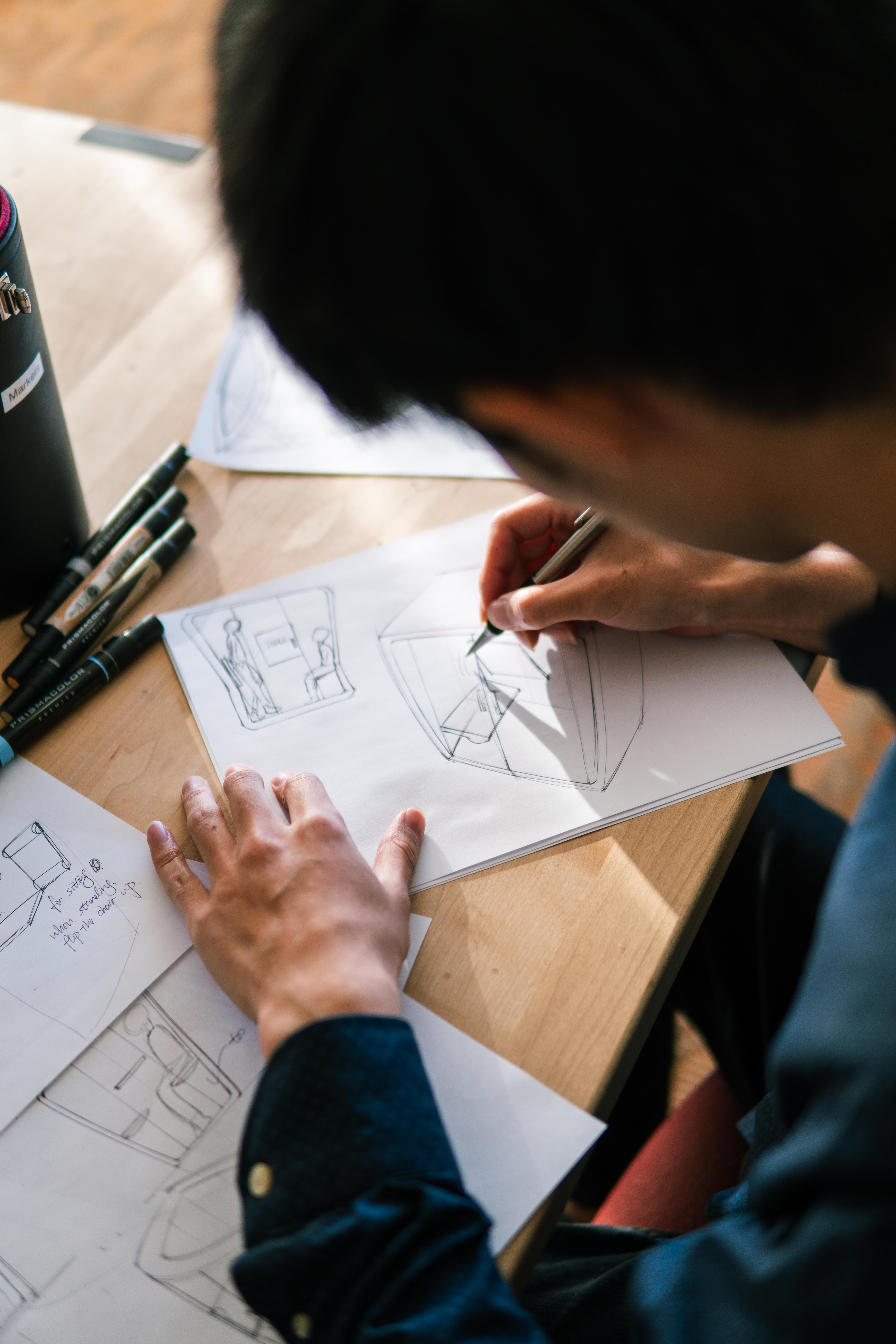
A classic- engineering creates a functional prototype, then tosses it over the wall to design with instructions to "make it pretty." This fundamental misunderstanding of design's value relegates it to surface treatment rather than integral problem-solving.
This happens when engineers who work with designers don’t understand the mechanical complexities of a project. They lose trust in the designer’s capabilities and give them less scope to work with. Then, beautification is all a designer can do.
This isn't a designer problem or an engineer problem—it's a process problem. When design thinking enters only at the finish line, you've already missed its greatest value.
The "Parallel Universe" Approach
This one looks good on org charts- engineering and design teams working simultaneously on the same product. But without continuous integration points, they're essentially building separate products that somehow need to merge at the end.
That final integration can be a nightmare, but it works in rare cases when you’ve got smart people, strong planning, and clear boundaries.
The "big reveal" approach doesn't usually work in product development. Integration must be continuous, not a single event.
The "Design Dictatorship"
When companies finally recognize design's importance, they sometimes overcorrect by giving external design partners ultimate authority. This may be well-intentioned, but often backfires spectacularly.
Your technical team provides the backbone of a functional product, having a design team make decisions that will impact engineering in the long term doesn’t make sense.
True integration isn't about establishing who's in charge—it's about creating conditions where complementary expertise can thrive together.
“Working with people who are different from you may challenge your brain to overcome its stale ways of thinking and sharpen its performance.”
Harvard Business Review article about Diverse Teams
The Benefits of Integration: What Happens When We Get This Right
When we successfully integrate external design expertise with internal technical teams, the results are transformative. Here's what I've seen happen— and a few tactics on how to make each benefit a reality for your team.

1. Complementary Expertise That Amplifies Your Team's Strengths
Good integration doesn't dilute your technical team's expertise—it amplifies it. External designers bring methodologies and perspectives that complement engineering excellence, creating a whole greater than the sum of its parts.
Designers can help engineers understand why certain features are more important than others, allowing you to make informed trade-offs and prioritize effectively.
To make this happen, we've found these strategies work consistently:
Start with joint discovery sessions where both teams participate equally
Build shared user personas that incorporate both technical and emotional needs
Create collective success metrics that balance technical performance with user experience
Develop a common vocabulary that bridges communication gaps
When design and engineering truly complement each other, you don't just get a better-looking product—you get a fundamentally better product.
2. Accelerated Development That Gets You to Market Faster
Counterintuitively, adding design expertise can shorten development timelines rather than extending them. When integration is done often and continuously, you identify and solve problems earlier when changes are less expensive and disruptive.
Here's how you can make this happen:
Map out specific integration points throughout the development timeline
Create clear decision matrices showing who has input and final say at each stage
Implement a RACI framework (Responsible, Accountable, Consulted, Informed) that clarifies roles
Establish shared ownership of both technical and user experience outcomes
When teams have clear expectations, you create a cooperative environment of working towards the same goal.
3. Manufacturing-Ready Designs That Don't Require Costly Revisions
The most valuable design partners don't just create beautiful concepts—they create beautiful concepts that can be built efficiently and economically. This manufacturing mindset from the beginning removes surprises late in development.
We've found these strategies essential to creating manufacturing-optimized designs:
Establish production constraints and evaluate how they would work with different design options
Consider Design for Manufacturing and Assembly (DFM) principles during decisions and reviews
Include production feasibility reviews throughout the design process
When designers understand manufacturing constraints as creative challenges rather than limitations, they can flex their creativity in practical ways.
4. Market Differentiation That Creates Emotional Connection
In markets where technical performance is increasingly becoming table stakes, integrated design creates the emotional connections that drive preference beyond specifications.
Here's how to ensure designs create meaningful differentiation:
Establish prototyping cycles that evaluate both technical performance and user response
Schedule regular review sessions focused on physical models that teams can interact with
Document user feedback throughout the development process
Create frameworks that evaluate technical excellence and emotional impact
When technical and user-centered design work in concert, you create products that don't just perform well—they connect on a deeper level.
5. Enhanced Capabilities That Extend Beyond a Single Project
Well-executed integration doesn't just deliver a great product—it enhances your team's capabilities for future development. Knowledge transfer becomes a natural outcome of real collaboration, whether that’s adopting an existing approach or adding a new process
These strategies facilitate this capability enhancement:
Establish shared documentation standards that both teams understand and use
Create access to common project repositories and design rationale
Implement collaborative tools that bridge visual and technical communication
Build a single source of truth for project status that encourages transparent communication
When integration is done right, your team doesn't just get a finished design—they gain new capabilities that enhance future projects.
Our Approach: How We Bridge the Design-Engineering Gap
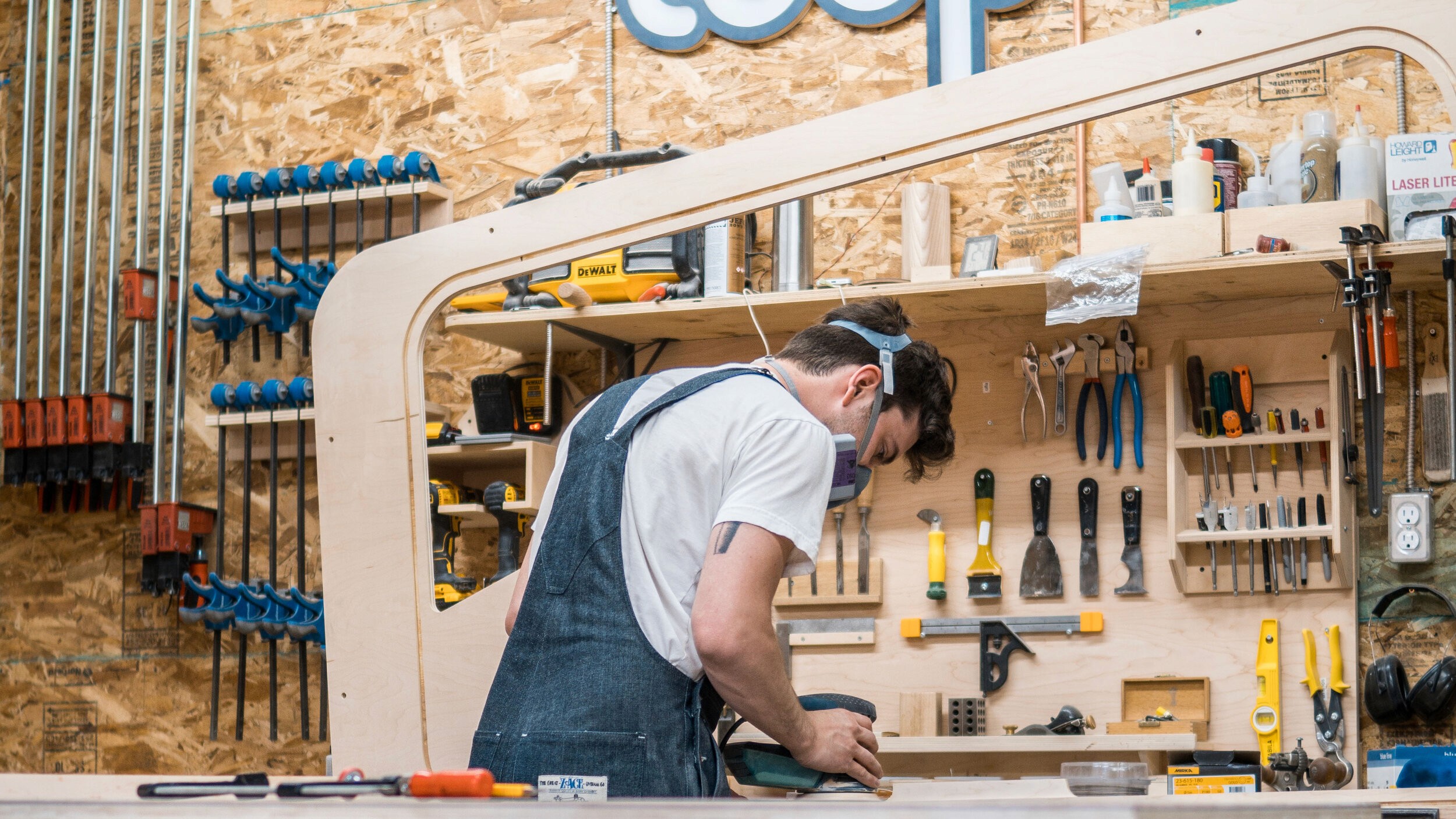
At onetwosix design, we've developed our "concept to commerce" methodology specifically to integrate seamlessly with technical teams like yours. This approach emerged over years of experience navigating the same challenges, but on the design side.
Here's what makes our approach different:
1. Teams That Mirror Your Technical Organization
We don't believe in the stereotypical creative team that speaks a foreign language to your engineers. Instead, our teams are all multidisciplinary, having knowledge and doing work across the product development process. This gives us a technical understanding of how things work and allows us to speak your language.
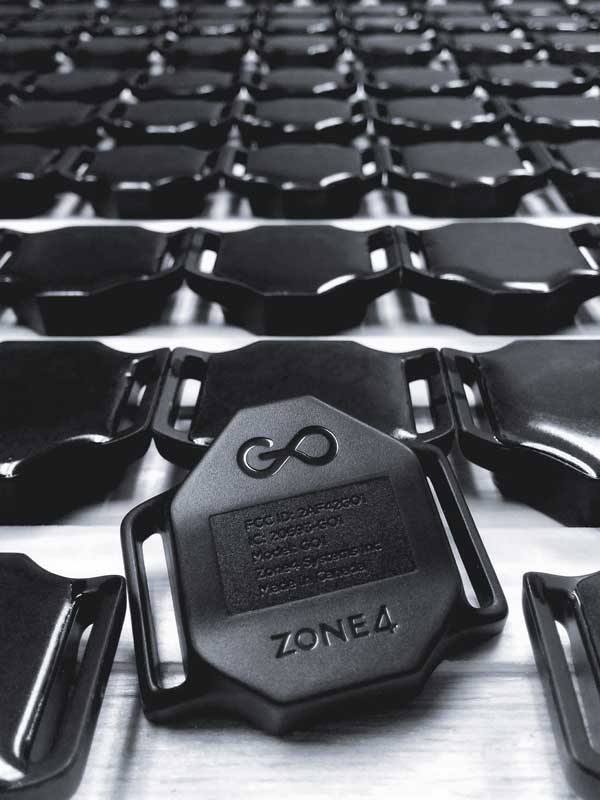
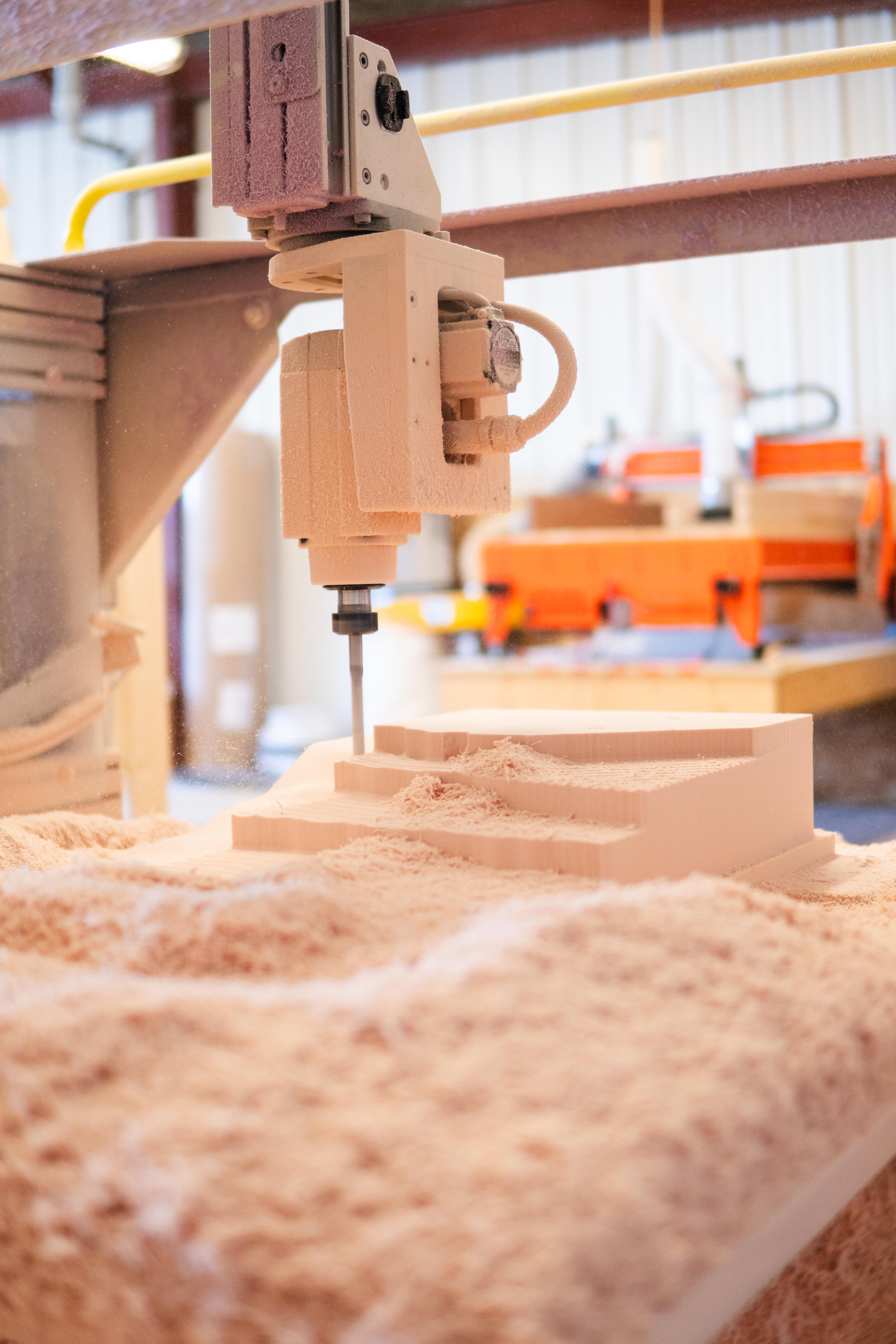
We do prototyping and small batch production in house, meaning our team is well versed in making what they design. Our industrial designers, mechanical engineers, manufacturing specialists, and production experts continuously collaborate throughout the process.
2. Manufacturing Knowledge That Earns Technical Respect
Having developed and manufactured our own product line, we understand the realities of production—not just in theory, but through direct experience. This practical knowledge establishes immediate credibility with your technical team.
And we don't waste time on concepts that look great but can't be built efficiently.
3. Physical Prototypes That Create Shared Understanding
Our 7,000 sq ft facility includes comprehensive prototyping capabilities that allow us to quickly transform concepts into physical models your team can evaluate, test, and refine.
These rapid iteration cycles create an ongoing conversation and natural review milestones between design and engineering. This helps eliminate misunderstandings and accelerate decision-making.
4. Knowledge Transfer That Builds Your Team's Capabilities
We view every project as an opportunity to enhance your team's capabilities. Rather than creating dependency on our services, we systematically transfer design knowledge throughout the process.
This commitment to knowledge sharing creates lasting value beyond the immediate deliverables.
Ready for Seamless Integration? How to Prepare Your Team
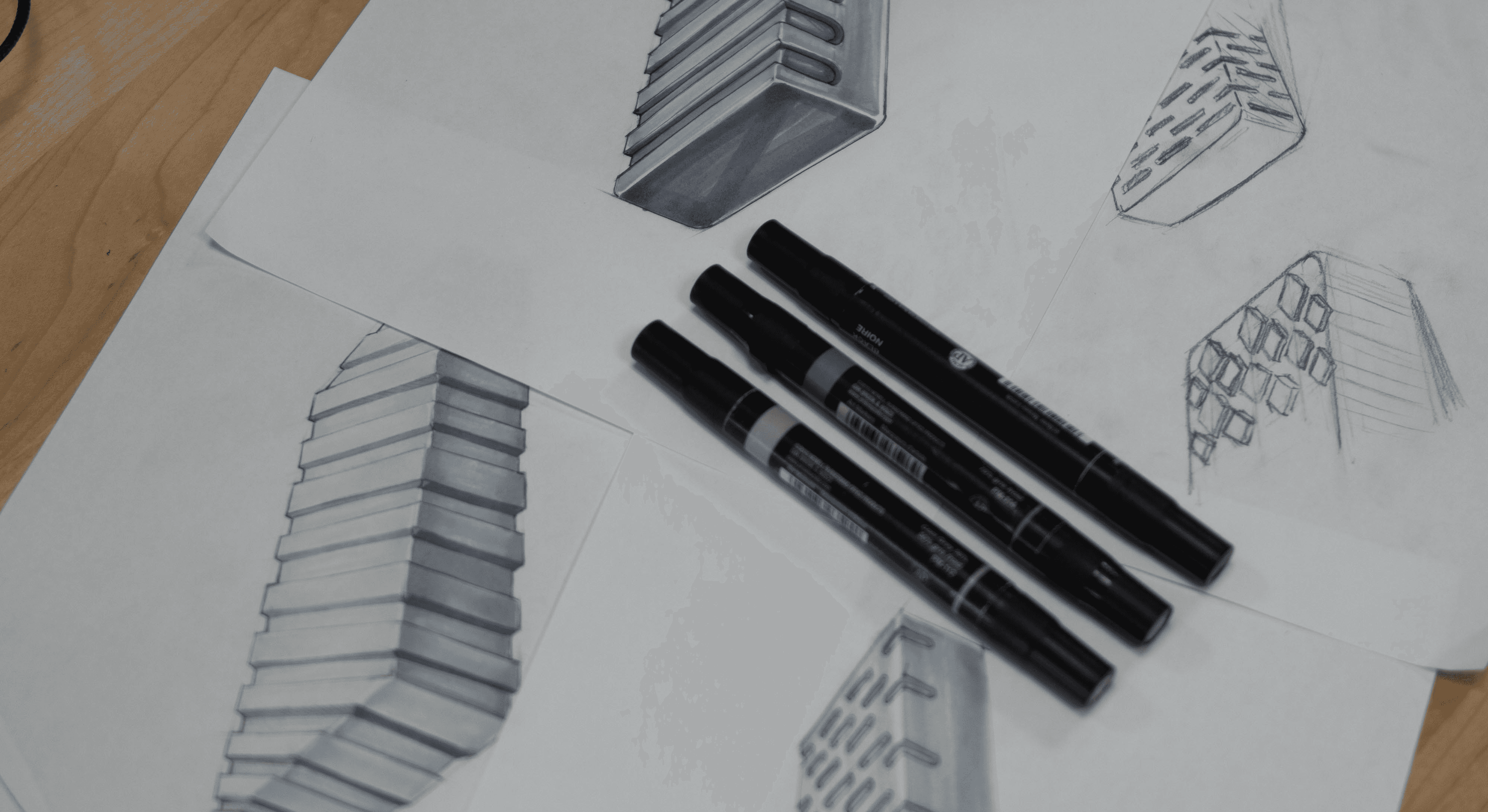
Whether you're considering working with us or another design partner, these steps will help ensure successful integration with your technical team:
Questions to Ask Potential Design Partners
"Can you walk me through how you typically collaborate with engineering teams?"
"How does your design process incorporate manufacturing constraints?"
"What specific tools and methods do you use to communicate technical concepts with our team?"
"How do you use physical prototypes to facilitate collaboration between disciplines?"
"Tell me about a time when integration was challenging and how you overcame those obstacles."
The answers to these questions will quickly reveal whether a design partner understands the integration challenges and has proven methods to address them.
How to Prepare Your Technical Team
Communicate the specific value design expertise will bring to your projects
Include technical leadership in design partner selection conversations
Identify integration champions within your engineering team who will facilitate collaboration
Develop evaluation criteria that balance technical requirements with user experience goals
These preparation steps will increase the likelihood of successful integration.
From Integration to Innovation: The Real Goal
When we get this right, the integration of external design expertise with your technical team creates capabilities greater than either could achieve alone. Engineers gain new perspectives on user needs, while designers develop deeper appreciation for technical and manufacturing constraints. Together, you create products that hit the sweet spot of form, function, and feasibility.
Successful companies don't view external design expertise as merely a contract service—they recognize it as a strategic enhancement that transforms both their development process and their market offerings.
At onetwosix design, we've built our entire approach around this integration philosophy. We don't want to be just another vendor—we want to be the partner that helps your technical team create products that not only work flawlessly but also forge meaningful connections with users.
Because ultimately, that's what great product development is all about: creating technical solutions that truly enhance people's lives through thoughtful, intuitive, and emotionally resonant design.