
From Prototype to Scale: How Zone4 Built a Simpler Race Timing System with Onetwosix Design
When Zone4 Systems set out to rethink race timing, the goal was ambitious: create a product that was lightweight, intuitive, and simple enough to be deployed at scale by users with little to no technical training.
For founder Dan Roycroft, that meant solving a challenge that sits at the heart of many hardware ventures: how do you turn an early idea into a robust, manufacturable product that is easy to use, reliable in the field, and ready for growth?
That challenge led Zone4 to partner with Onetwosix Design for industrial design services, product design, and ongoing support through multiple stages of product development.
A Simpler Approach to Race Timing
Zone4 develops race timing hardware and software. In an industry where equipment has traditionally been complex and difficult to operate, the company saw an opportunity to do things differently.
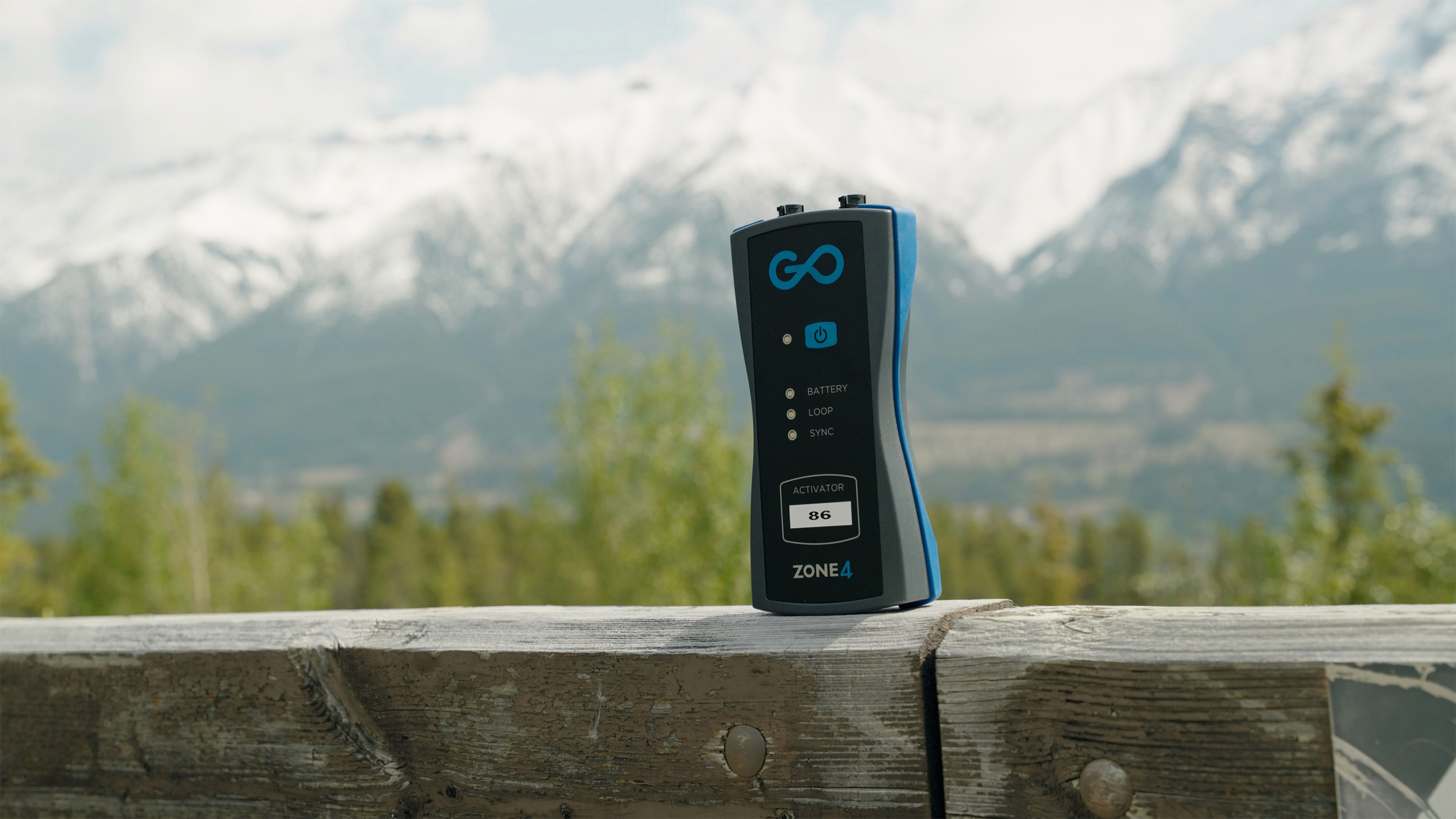
The vision was to create a race timing system so simple it could be rented out as equipment, shipped to users, turned on with a single button, and trusted to work immediately. In a category known for technical barriers and operational complexity, that level of usability was almost unheard of.
To bring that vision to life, Zone4 needed more than a concept. They needed a product design partner who could help refine the idea, simplify the user experience, and solve the technical and manufacturing challenges that come with launching a physical product.
Why Zone4 Chose Onetwosix
For Zone4, working with a local Alberta team was an important part of the decision.
As a Canmore-based company operating within Alberta’s close-knit innovation ecosystem, Zone4 valued the opportunity to collaborate with a nearby design firm that could offer both strategic thinking and hands-on development support. But beyond proximity, what stood out was Onetwosix’s ability to engage with the product at every level — not just how it looked, but how it would function, be manufactured, and perform over time.
This was not a project where aesthetics alone would define success. The product needed to be lightweight, resilient, user friendly, and economically viable to produce. That required a team that understood the full lifecycle of product design and manufacturing.
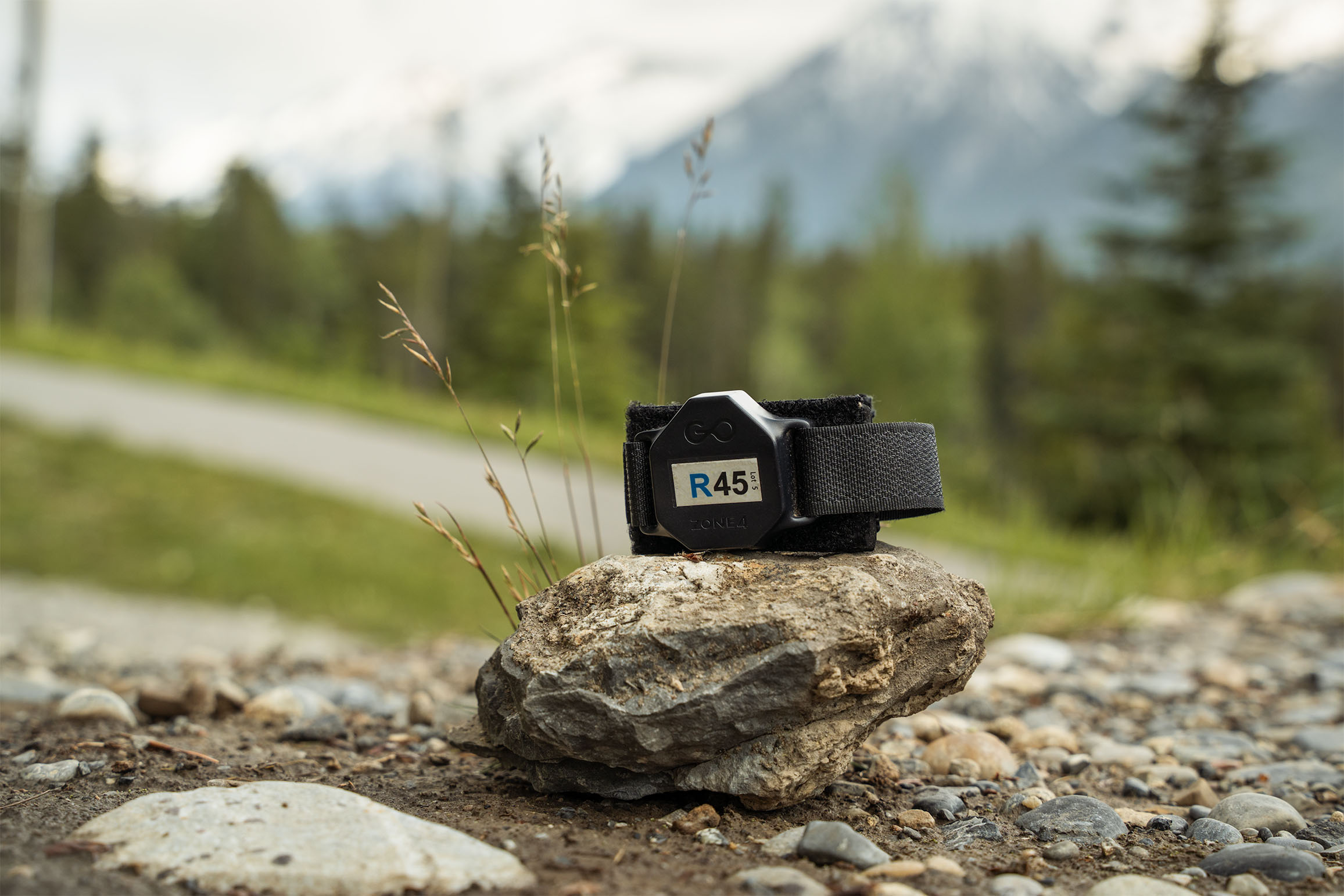
Solving for More Than Appearance
One of the biggest themes in Dan’s experience was that the project went far beyond surface-level design.
Zone4 came to the table with ideas about reducing weight, exploring 3D printing, and building a system that could evolve with new market opportunities. Along the way, there were major technical hurdles to solve. Onetwosix helped pressure test those ideas against the realities of engineering, manufacturability, cost, and long-term durability.
That collaborative process is often where strong industrial design services make the biggest difference. It is not just about creating a product that looks polished. It is about making decisions that support performance, production, and business growth.
For Zone4, having a team that could work through those decisions in partnership was a critical part of the product’s success.
The Value of Professional Product Design
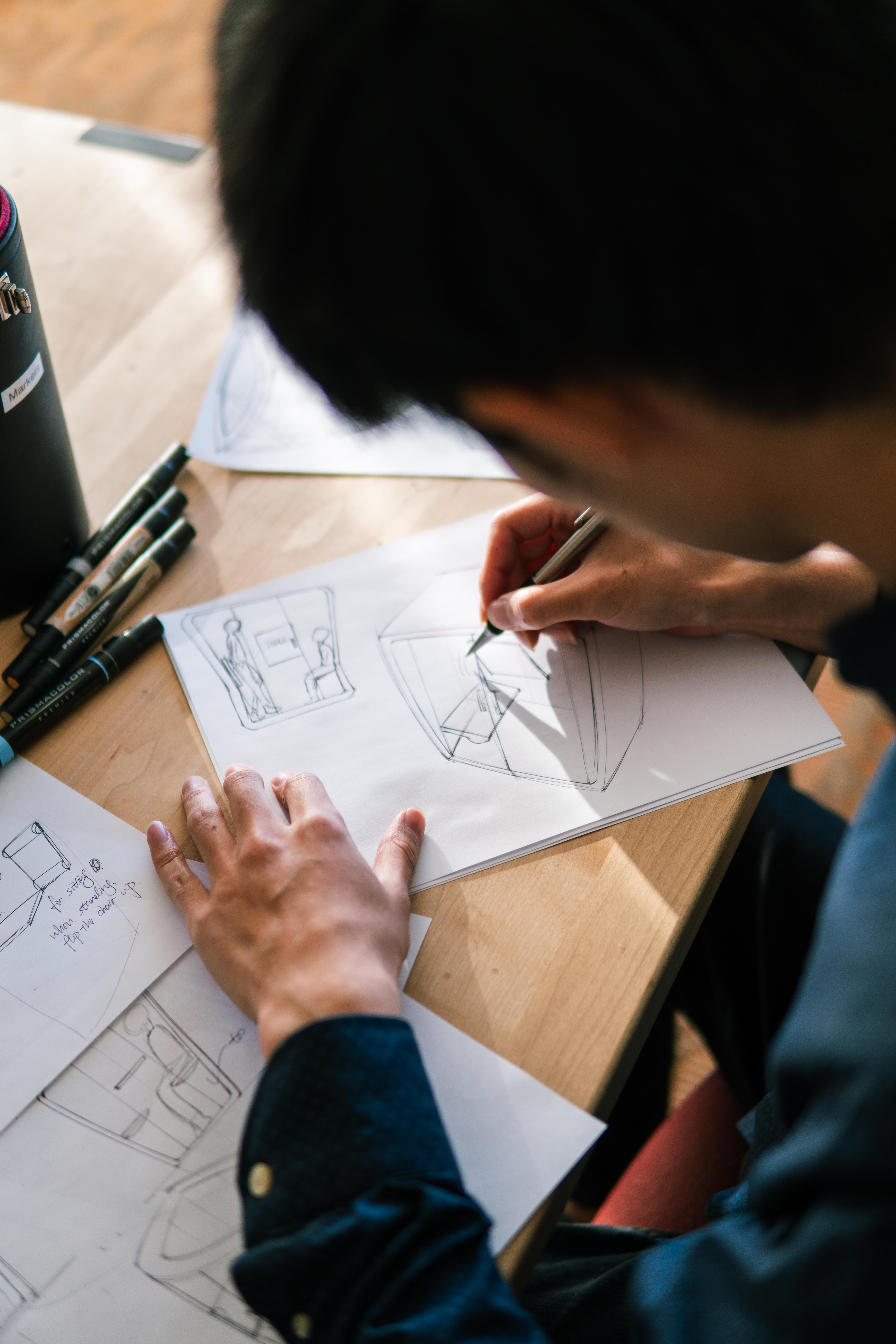
Like many founders, Dan initially took on a lot of the early product work himself — from mockups to design concepts to early prototyping. But one of the clearest takeaways from the project was the difference between founder-led ideation and working with a professional design team.
Seeing the first product briefs and visual concepts from Onetwosix was a turning point. The attention to detail, clarity of communication, and quality of visualization helped bring the product to life in a way that internal sketches and rough mockups could not.
That visual communication also made decision-making easier. Whether through PDFs, design files, or prototype reviews, being able to see ideas translated into a clear and professional form gave Zone4 more confidence throughout development.
Rapid Prototyping and Iteration That Supported Growth
The development process involved multiple rounds of prototyping and iteration as the product evolved. This became especially valuable as Zone4 explored new markets and new product opportunities.
As Dan described it, entering new markets often meant revisiting the design and adapting the product to meet new needs. Being able to return to the team with a concept, work through the implications, and quickly develop a revised solution made it easier to move forward with confidence.
This is one of the biggest advantages of thoughtful product development services: the ability to iterate quickly without losing sight of the larger product strategy. Instead of treating the product as a one-time design exercise, the process became a long-term partnership that supported change, adaptation, and scale.
From 3D Printing to Injection Molding
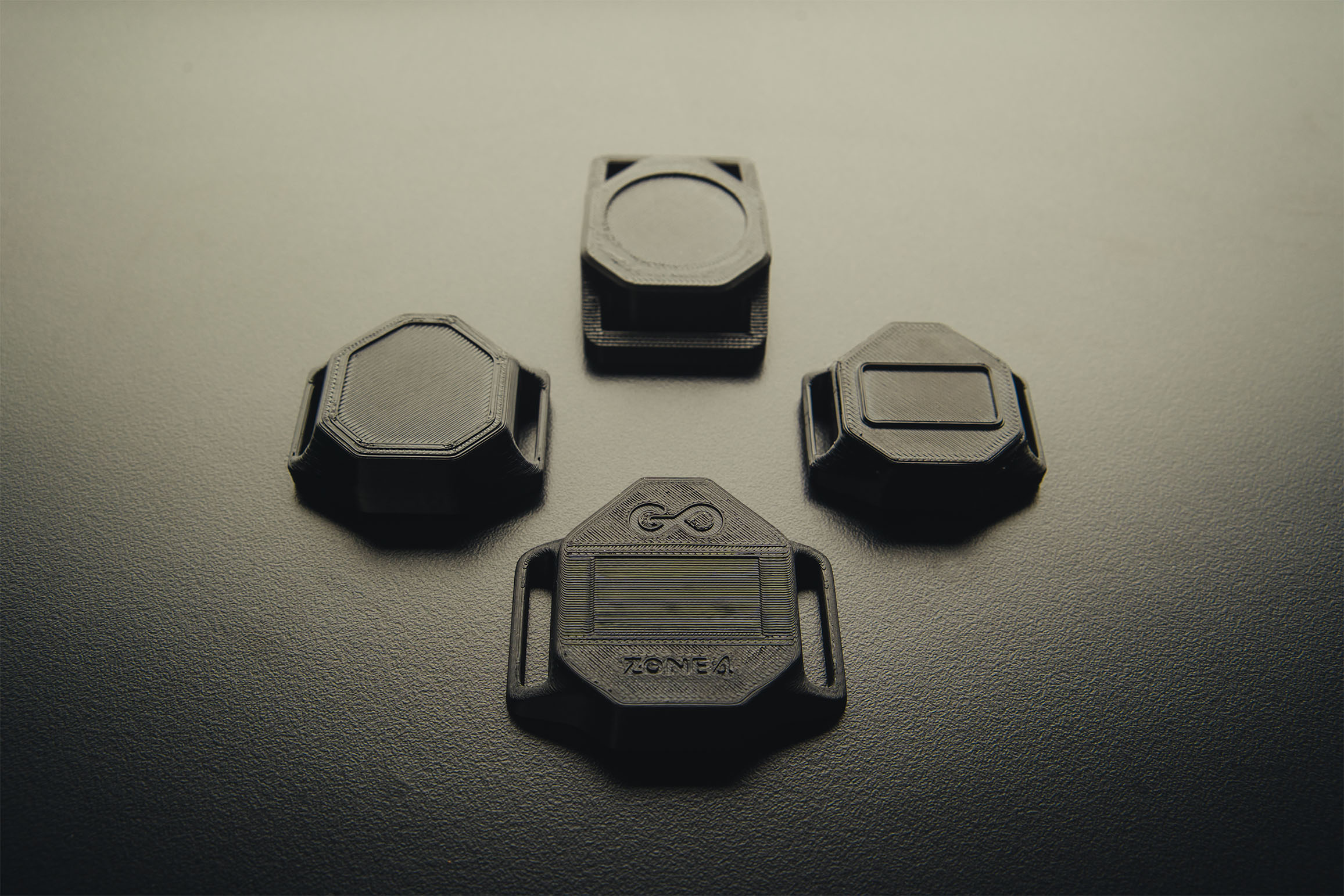
One of the most important technical shifts in the project was the move from early 3D printing concepts toward injection molding.
Initially, Zone4 wanted to push the boundaries of what 3D printing could do as a primary manufacturing process. That meant exploring ideas that were ambitious and, in some cases, ahead of the market. Rather than dismiss those ideas outright, Onetwosix worked through them with the team, helping test what was possible and identify where limitations began to appear.
That willingness to explore was valuable in itself. It allowed Zone4 to better understand the failure points, the tradeoffs, and the technical realities of scaling the product.
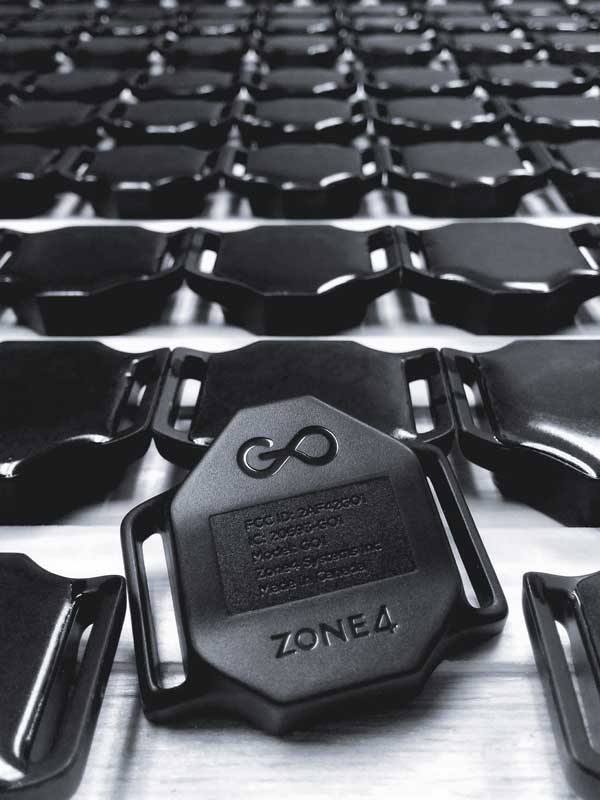
Ultimately, the solution pivoted toward injection molding — a move that improved manufacturability, reduced weight, and supported a more scalable production model. Just as importantly, when the design was prepared for the injection molder, the files worked on the first shot. For a process where tooling changes can be expensive and time-consuming, that was a major success.
It is a strong example of how manufacture-ready product design can reduce risk and help companies move into production with greater confidence.
Designing for Usability
At the core of the final product was a simple but powerful promise: race timing should not be intimidating.
Historically, race timing systems have been filled with buttons, settings, and failure points that create stress for operators. Zone4 wanted to strip that complexity away. With Onetwosix’s support, the result was a system designed around ease of use — one button to turn it on, with the rest of the experience streamlined through the product and app ecosystem.
That focus on usability was not just a design preference. It became a business advantage. A product that is easier to understand is easier to rent, easier to deploy, and easier to scale across a broader customer base.
A Product That Became Core to the Business
For Zone4, this was not a side project. It became the foundation of the company’s growth.
When the two teams first began working together, Zone4 had five employees. Today, the company has 12 full-time staff, a network of 25 timers across North America, and an inventory of more than 15,000 chips. The business now supports an average of 30 races every weekend and has expanded into additional markets, including motorized sports in the United States and other tracking applications.
According to Dan, the product developed with Onetwosix has been central to that growth.
That kind of impact is what strong product design can create when it is aligned with business goals from the start. It is not just about getting a product launched — it is about building the right foundation for long-term scale.
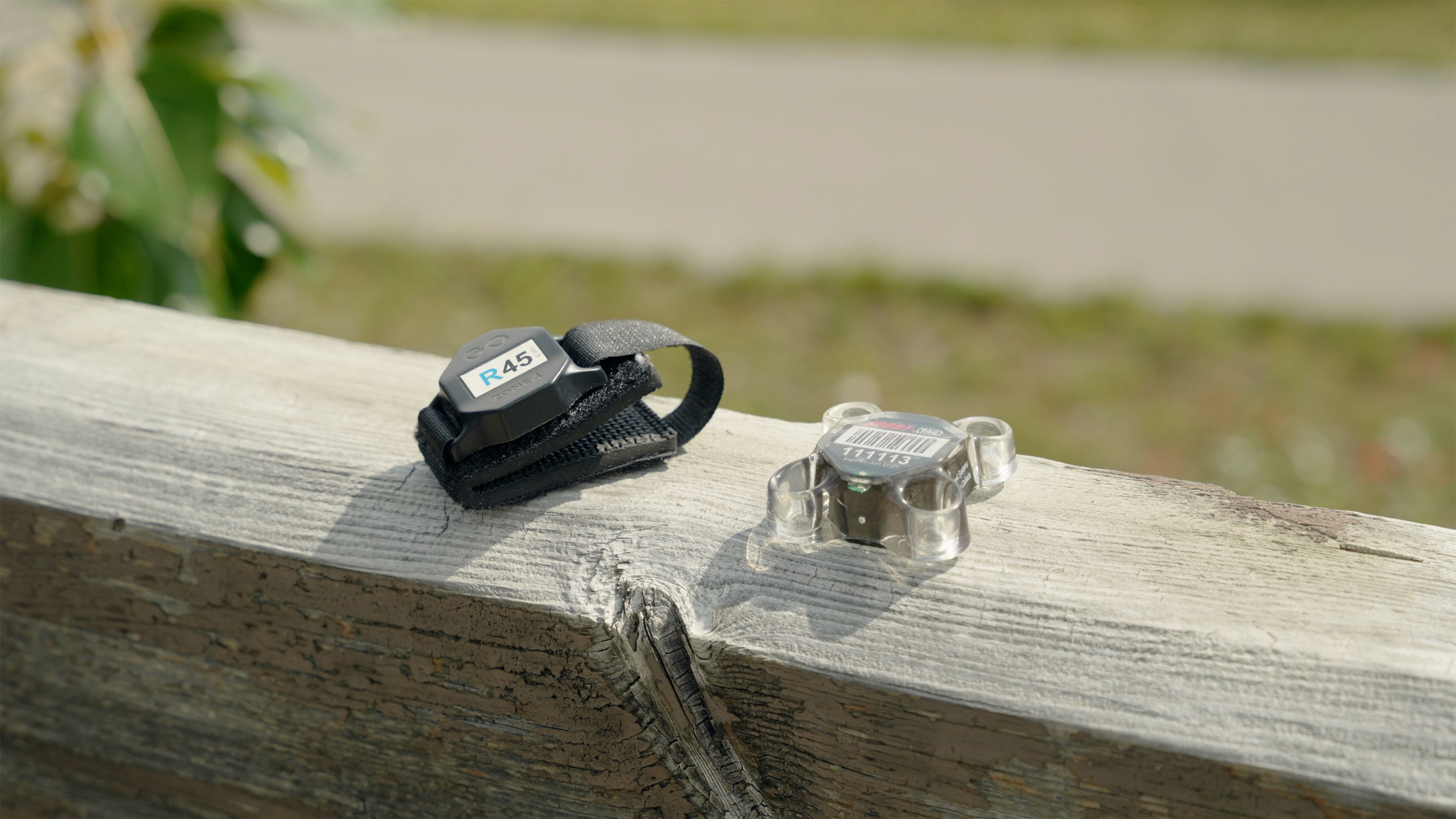
A Partner Through the Full Product Lifecycle
One of the strongest endorsements in Dan’s testimonial was not tied to any single deliverable. It was about the nature of the working relationship.
Rather than approaching the project as a one-time assignment, Onetwosix worked with Zone4 through different phases of the product lifecycle — from early ideas to MVP thinking, from prototyping to cost reduction, and from initial manufacturing to market expansion.
That kind of partnership is especially valuable for growing companies navigating the uncertainty of physical product development. At each stage, the priorities change. Early on, the focus may be proving the concept. Later, it may be improving manufacturability, reducing cost, or adapting the product for new use cases. Having a design partner who understands those shifts can make the process more effective and far less stressful.
As Dan put it, one of the most unexpected benefits of working with a design firm was simply the relief of being able to hand off a challenge and have something exceptional come back.
Building Better Products Through Collaboration
Zone4’s story is a strong example of what can happen when a clear product vision is matched with the right development partner.
Through a combination of industrial design services, rapid prototyping, manufacturing support, and long-term collaboration, the team was able to transform an early concept into a scalable product that now powers races across North America.
For companies developing hardware, especially those moving from idea to production, the path is rarely linear. There are pivots, technical constraints, and hard decisions along the way. But with the right approach to product design and development, those challenges can become part of a stronger end result.